
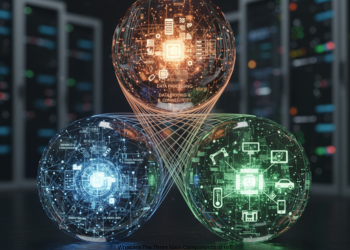
What are The Three Main Components of IoT? Homes set the right temperature before we walk in. Watches track our health during sleep. Cities direct traffic with live updates. These linked devices moved from science fiction into everyday use. The Internet of Things (IoT) makes it happen. What counts as IoT? How does a coffee maker start at the alarm? How does a farm field sense its need for water? No magic drives it. A clear system rests on three key parts. To grasp the question “What are the three main components of IoT?”, we break down its structure. Picture a full IoT setup as a living body. It senses the world, sends signals through nerves, and uses a brain to decide and respond. These body roles match IoT’s three core parts. We examine each part now.
Component 1: Things with Sensors and Actuators (Senses and Hands)
This forms the “T” in IoT. These are real-world objects we turn smart. They stand as the base of the IoT network. A thing alone stays plain. It joins IoT with two key skills: senses and hands. What are The Three Main Components of IoT?
Sensors as Senses
Sensors act as digital eyes, ears, and touch for IoT. They gather data from the area around. They shift real events like heat, light, movement, or force into signals computers read. What are The Three Main Components of IoT?
Many sensors exist, each for set tasks:
- Temperature sensors work in smart thermostats, fridges, or factory ovens.
- Proximity and motion sensors guard homes, open doors, or light streets as cars pass.
- GPS sensors find spots in cars, phones, or cargo boxes.
- Optical sensors check light in smart lamps or flaws on factory lines.
- Accelerometers tally steps in fitness bands or jolts in packages.
- Humidity sensors keep greenhouses at ideal levels.
- Chemical sensors spot bad air in monitors.
Sensors matter because IoT stays blind without them. No real-world data means no fuel for the system.
Actuators as Hands
Sensors sense; actuators act. They turn orders into real moves after choices form. They change digital signals into physical steps. What are The Three Main Components of IoT?
Examples include:
- Smart locks use motors to bolt doors shut or open.
- Smart bulbs switch lights on, off, or to new colors.
- Smart thermostats cue heaters or coolers in HVAC units.
- Smart sprinklers open valves to water crops.
- Factory robot arms move on motor commands.
Actuators matter. They let IoT not just watch but shape and guide the world.
Component 2: Connectivity (Nerves)
A sensor on a thing grabs data, say “Room hits 26°C.” Data trapped there helps no one. It must reach the brain for review. Connectivity handles this. Connectivity serves as IoT’s hidden nerve network. It moves data from sensors to the main hub. It sends orders back to actuators. Tech choices fit the job’s range, power use, and data size. What are The Three Main Components of IoT?
Short-range options:
- Wi-Fi suits home or office gear. High speed comes at more power drain and short reach. Speakers, thermostats, and cameras often pick it.
- Bluetooth or low-energy Bluetooth fits wearables. Low power aids battery life in trackers and watches.
Long-range options:
- Cell networks like 4G or 5G link over wide space. Cars, city meters, and cargo trackers rely on them.
- LPWAN tech like LoRaWAN or NB-IoT sends small data far miles away on tiny power. Batteries last years. Farm sensors or city parking spots use it.
Connectivity matters. No links mean isolated devices. The network joins parts into one working whole. What are The Three Main Components of IoT?
Component 3: The Cloud and Data Processing Platform (The Brain)
Sensors gather data. The network sends it. All data heads to the cloud. This cloud serves as the smart core of the whole IoT system. The cloud means a set of strong servers in large data centers. These servers provide three key services. They store data. They process data. They offer a user interface.
1. Data Storage and Processing
An IoT system creates a huge volume of data. It comes from thousands or millions of devices each second. The cloud gives a safe, almost endless spot to keep this data. Storage alone does not create value. Processing does. The cloud uses great computing power. It runs complex software and algorithms. These tools study the data. They change it into useful insights and steps to take. What are The Three Main Components of IoT?
Here is where smart work occurs. Take this case:
- Raw Data: “Temperature is 26°C.”
- Processed Insight: “Temperature stayed at 26°C for three hours. User likes 22°C. Phone GPS shows user ten minutes from home.”
- Decision/Action: “Tell thermostat to start air conditioning.”
This work often uses AI and machine learning. They spot patterns. They predict trends. They make choices on their own. What are The Three Main Components of IoT?
2. The User Interface (UI)
How does a person use the IoT system? A user interface makes it possible. The cloud hosts this interface. It shows up as a phone app or web dashboard. Check a security camera in a smart home app. Turn off a light. You link to the cloud, not the device. You send orders to the cloud. The cloud passes them to the device. This lets you manage your home from any spot on earth. Why does the cloud matter? It turns raw data into smarts. It acts as the control hub. It decides actions. It sets up automation. It lets you connect to and run your network of smart items. What are The Three Main Components of IoT?
Putting It All Together: How a Smart Thermostat Works as One
Track a basic task. See the three parts join in smooth flow.
- The Thing (Sensor): The thermostat sensor spots room temperature at 19°C.
- Connectivity: The thermostat sends data via home Wi-Fi. The packet says: “ID: Thermostat123, Data: Temp=19°C.” It goes to the maker’s cloud.
- The Cloud (Brain): The cloud gets the data. Software checks user settings. It finds the goal is 21°C. It decides: “Turn on heat.”
- The Return Path: The cloud sends back: “Action: Turn On Heat.” It travels internet and Wi-Fi to the thermostat.
- The Thing (Actuator): The thermostat gets the order. It tells the home heater to start. The room warms. The cycle goes on.
Conclusion
Three main parts build the Internet of Things. They are devices with sensors and actuators. They are connectivity. They are the cloud. These parts link tight in one system.
- No devices means no real-world data.
- No connectivity means data stays stuck.
- No cloud means data lacks smarts.
Grasp this structure to see our linked world. Each smart tool, each auto system, each data stream ties into this clean three-part flow. What are The Three Main Components of IoT?
Frequently Asked Questions (FAQ)
What is the simplest way to recall the three components?
Yes. Picture the human body.
Things (sensors/actuators) act as senses and hands. Eyes see. Ears hear. Skin feels. Hands and legs move.
Connectivity serves as the nervous system. It sends signals from senses to brain. It relays brain commands to hands.
The cloud works like the brain. It handles sense data. It stores info. It chooses actions.
All three must team up. Or the system breaks. What are The Three Main Components of IoT?
I hear of “edge computing.” Does it add a fourth part?
Good question. Edge computing builds on the third part (the brain). It shifts some work.
In standard IoT, data travels to the main cloud for review.
Edge computing processes data near the device. Right at the network edge.
See it as a quick reflex. Touch a hot stove. Hand jerks back fast. Spine handles it. Brain learns later. IoT edge does the same.
It boosts speed and trust. A self-driving car brakes in a flash. Cloud wait times fail there. What are The Three Main Components of IoT?
Full connections mean hacks and weak spots?
IoT faces big security tests. Yes, links bring new risks. Strong designs add layers.
Devices get encryption built in.
Networks scramble data in transit. Interceptors see nonsense.
Clouds like AWS or Azure spend huge sums on safe centers.
Only approved devices join. Users log in right.
Hackers chase makers. Pick trusted brands. They patch often. What are The Three Main Components of IoT?
What hides in the “Thing” past sensors? A mini computer in bulbs?
Right. The Thing goes beyond sensors. Smart gear packs a system-on-chip or microcontroller. It holds:
A processor like a tiny brain.
Memory for basic code.
Ports for sensors and movers.
A radio chip for Wi-Fi or Bluetooth.
This chip runs software. It links to networks. It times sensor reads and actions. What are The Three Main Components of IoT?
Which part matters most of the three?
No winner. All count the same. IoT chains like links. Weakest one snaps it.
Bad sensors yield junk data.
Shaky links block flow.
Weak cloud leaves data dumb.
One flaw tanks all. They stick as one unit.
Just for firms? Or home projects too?
Big factories cost a lot. But simple IoT welcomes all now. Hobby tools abound.
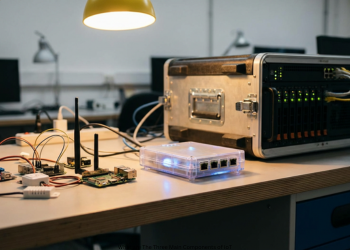
Arduino or Raspberry Pi boards cost little. Hook sensors easy. Home Wi-Fi connects. Free clouds crunch data.
Build a yard weather box. Auto-water plants. Feed pets on time. Parts ship cheap online. What are The Three Main Components of IoT?
2 thoughts on “What are The Three Main Components of IoT?”