
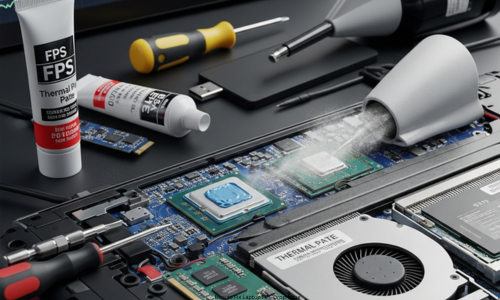
How to Fix Laptop FPS Drop Issue? Sudden FPS drops wreck laptop fun quick. They strike during games, video edits, online classes, or heavy graphics apps. Frames per second plunge makes it feel slow, choppy, unresponsive. Smooth sailing flips to stutter, freeze, input lag.
FPS drops plague many users. Most fix easy. Blame goes to heat buildup, power plans, background tasks, old drivers, wrong settings. Rarely hardware failure. This post breaks down FPS drops on laptops. We cover causes and step-by-step fixes. Simple words help all users follow along. How to Fix Laptop FPS Drop Issue?
What Is FPS and Why Does It Matter?
FPS means Frames Per Second. It tracks images shown each second.
- 30 FPS: Playable, lacks smoothness.
- 60 FPS: Fluid for tasks and games.
- Below 30 FPS: Clear lag and jerks.
Sudden drops, say 60 to 20, overload the system. You get screen jerks, slow inputs, rough motion, freezes in play or work. How to Fix Laptop FPS Drop Issue?
FPS Drop vs Low FPS
Key difference:
- Low FPS: Steady weak rate from poor hardware.
- FPS Drop: Sharp dip after good start.
We target drops from software or settings glitches. How to Fix Laptop FPS Drop Issue?
Signs of FPS Drops on Laptops
Watch for:
- Game lag after minutes.
- Drops when hot.
- Worse on battery.
- Stutter in multi-tasks.
- Good start, then rough.
- These point to root fixes.
Top Causes of Laptop FPS Drops
Overheating (Thermal Throttling)
Tight laptop builds trap heat. Hot CPU or GPU triggers slowdowns to save parts. Throttling kills frames most. How to Fix Laptop FPS Drop Issue?
Power and Battery Plans
Devices cut power to stretch battery. Bad settings block full CPU or GPU speed.
Background Apps and Tasks
Extra programs eat CPU, RAM, disk. Less left for tough jobs.
Old or Bad Graphics Drivers
Drivers link apps to graphics chips. Stale ones spark unstable play. How to Fix Laptop FPS Drop Issue?
Windows Updates or Glitches
Patches can add bugs or tweak speeds wrong. Drops follow.
Low RAM or Full Drives
Short RAM or packed storage chokes loads.
Wrong GPU Choice
Laptops mix basic and strong GPUs. Basic use tanks frames hard. How to Fix Laptop FPS Drop Issue?
Fix FPS Drops: Step-by-Step Guide
Step 1: Track Heat and Use
Spot issues first.
Check:
- CPU heat
- GPU heat
- CPU/GPU load
- RAM load
High heat over 85-90°C screams overheating.
Step 2: Cool It Down
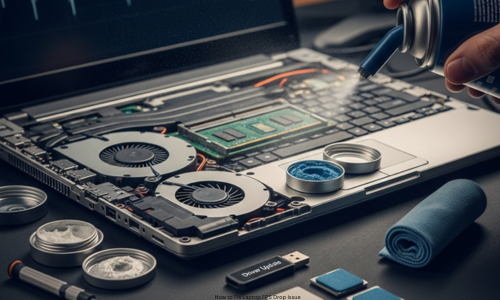
Clean Vents and Fans. How to Fix Laptop FPS Drop Issue?
- Dust clogs air flow.
- Power off.
- Blast vents with air can.
- Skip beds or laps.
- Boost Cooling
- Grab a pad.
- Prop up rear.
- Cool the room.
Swap Paste (Pros Only)
- Old paste fades. New cuts heat fast.
Step 3: Set Power to Max
Pick High Performance Plan
- Control Panel to Power.
- Choose High Performance.
CPU min at 100%.
Tweak More
- Cut power tricks.
- Full speed kicks in.
Step 4: Refresh Graphics Drivers
Old ones cause:
- Drops
- Jerks
- Crashes
Update Way:
- NVIDIA, AMD, Intel sites.
- Grab fresh.
- Clean install best.
- Skip shady tools.
Step 5: Pick Strong GPU
NVIDIA:
- Control Panel.
- High-perf NVIDIA choice.
AMD:
- Radeon Settings.
- High mode for apps.
- Dumps weak built-in chip.
Step 6: Kill Background Junk
Task Manager: Ctrl + Shift + Esc.
Stop high CPU/RAM hogs.
Blame:
- Tab-heavy browsers.
- Updaters.
- Starters.
- Virus checks.
Step 7: Cut Startup Load
- Too many slow boot and run.
- Task Manager Startup tab.
- Turn off extras.
- Frees power for steady frames.
Step 8: Tweak App Settings
High options overwhelm.
Drop:
- Shadows
- Edge smooth
- Scale
- Effects
Small cuts steady frames.
Step 9: Turn On Game Mode
- Windows fun mode guards games.
- Settings to Gaming.
- Flip on.
- Blocks back noise.
Step 10: Handle Windows Updates
- Fix bugs, but some hurt.
- Grab waits.
- Roll back bad ones.
Step 11: Fix Drive Space and Health
- Full or slow drives drag.
- Clear space.
- Clean disk.
- SSD swap soars speed.
Step 12: Bump Virtual Memory
- Aids low RAM.
- System Properties.
- Advanced perf.
- Grow page file.
- Cuts heavy load jerks.
Step 13: Hunt Malware, Fix Files
- Bad stuff steals power.
- Windows Defender scan.
- sfc /scannow for repairs.
Step 14: Reset Graphics Tweaks
- Overclocks?
- Back to stock.
- Drop wild boosts.
- They spark drops.
Step 15: Re-Do Bad Apps
One app issue?
- Check files.
- Reinstall.
- Patch up.
Brand Laptop Tricks
Brands limit power:
- HP, Dell: Throttle plans.
- Lenovo: Vantage modes.
- ASUS: Armoury Crate.
- Acer: Power tweaks.
Set perf mode in their app.
Hardware Limits Show Up
Drops stick if:
- Old GPU.
- Under 8GB RAM.
- Weak CPU.
- Tweaks aid, but stay real.
Stop Future Drops
Stay smooth:
- Dust vents often.
- Update drivers.
- Dodge heat.
- Watch stats.
- Use perf power plans.
- Care pays off.
Conclusion
FPS drops on laptops feel annoying. Yet they seldom last forever. Overheating, power limits, bad drivers, or extra tasks often cause them. Simple fixes handle these problems. How to Fix Laptop FPS Drop Issue?
This guide helps you spot the issue. Pick the best fix. Get steady performance back. Skip repair costs or new gear. Gaming, schoolwork, or jobs all run better. Know how to fix drops. Pull top speed from your laptop. How to Fix Laptop FPS Drop Issue?
Great laptop flow needs more than strong parts. It takes good setup, care, and know-how.
FAQs
Q1. What causes sudden FPS drops on a laptop?
Heat buildup, power save modes, extra apps, old graphics drivers, or heat limits spark most sudden drops. How to Fix Laptop FPS Drop Issue?
Q2. Why does my laptop FPS drop after a few minutes of gaming?
Heat builds up fast. CPU or GPU gets too hot. The system cuts power to stay safe. FPS falls as a result.
Q3. Can power settings affect laptop FPS performance?
Yes. Power saver or balanced modes cap CPU and GPU speed. High performance mode boosts FPS steadiness a lot. How to Fix Laptop FPS Drop Issue?
Q4. How do I know if my laptop is overheating?
Look for hot vent air, noisy fans, quick slowdowns. Check temps too. High CPU or GPU numbers signal trouble.
Q5. Will updating graphics drivers fix FPS drops?
Often yes. New drivers boost speed, patch errors, and match games better.
Q6. Why does my laptop use the integrated GPU instead of the dedicated GPU?
Wrong power or graphics settings cause it. Set apps to the strong GPU by hand to fix.
Q7. Can low RAM cause FPS drops?
Yes. Low RAM swaps to slow disk space. This brings stutters and drops in games or multi-tasks.
Q8. Does Windows Game Mode help reduce FPS drops?
It can. Game Mode gives games top priority. Cuts back other tasks. Gains differ by laptop.
Q9. Are FPS drops a sign of hardware failure?
Rarely. Software glitches, heat, or bad setups cause most drops. Not broken parts.
Q10. When should I consider upgrading hardware to fix FPS drops?
Try tweaks first. If drops stick around with low RAM, old GPU, or slow hard drive, add RAM or get an SSD.
1 thought on “How to Fix Laptop FPS Drop Issue: A Complete Descriptive Guide”