
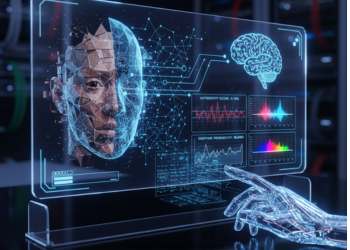
How does AI Detect Deepfakes? Deepfakes grow more lifelike each year. AI-made content makes it tough to spot the real from fake. Yet AI builds strong tools to catch these altered videos and sounds. The following article describes how AI finds deepfakes. It covers key methods, roadblocks, and what’s next.
Introduction Deepfakes
What are Deepfakes?
Deepfakes are doctored media, including videos or audio. AI-generated models construct deepfakes by mimicking the faces, voices, and body movements of real individuals. They manipulate real video clips or generate new ones that appear to be true. How does AI Detect Deepfakes?
Why Deepfakes Become Big Risks
Deepfakes bring threats such as:
- Political lies
- ID theft
- Celeb abuse
- Money scams
- Mind tricks
Tech gets sharper, so risks climb higher. How does AI Detect Deepfakes?
How AI Makes Deepfakes
- Most deepfakes come from
- Generative Adversarial Networks (GANs)
- Autoencoders
- Diffusion models
They study face traits and swap them onto target videos. Results look too real.
How AI Spots Deepfakes
AI combines pattern checks, body signal tracks, and frame scans to flag fake media.
Face Flaw Detection
Deepfakes lack tiny human face characteristics.
Odd Blinking Patterns
Old fakes skipped blinks. New ones blink better. Still, AI flags:
- Excess blinks
- Few blinks
- Weird blink times
Strange skin feel
Fake skin resembles:
- Overly smooth
- Fuzzy
- Pixel-smeared
AI scans pores and fine textures for odd spots.
Pixel Defect Inspections
CNNs catch small mismatches, such as wrong light or shadows; humans miss them. Machines see clear. How does AI Detect Deepfakes?
Sound-Video Match Checks
Fakes often mess up lip movements with words. AI looks for:
- Mouth shape vs sound bits
- Sound lags
- Frame slip signs
- Body signal tracks
People show natural body cues, fakes skip.
Heartbeat Spot (rPPG)
AI notices skin tone changes due to blood flow. Fakes can’t manage this cue.
Move and Face Shift Flaws
Fakes seem right but lack:
- True head turns
- Smooth feeling changes
- Muscle twitch rules
AI follows face muscles for mismatches.
Eye Scan Checks
Real eyes roam in smooth ways. Fakes show:
- Fixed stares
- Jerk shifts
- Wrong pupil acts
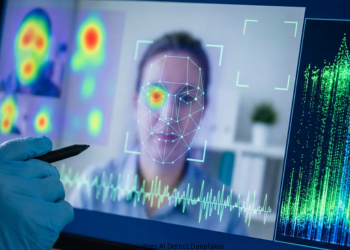
Top AI Tools to Fight Deepfakes
Convolutional Neural Networks CNNs
CNNs hunt image patterns. They check:
- Face grains
- Line edges
- Pixel glitches
Recurrent Neural Networks (RNNs)
RNNs watch the frames in order. They catch move or sync flaws.
Transformer Models
Transformers handle sight and sound. They excel at:
- Mixed signal scans
- Long clip checks
- Setting-based flaw hunts
GAN Spotting Systems
GANs fabricate fakes but also hunt for them:
- Spotter GAN flags fakes
- Maker GAN tricks spotters
This conflict increases catch rates. How does AI Detect Deepfakes?
Mixed Detection Systems
These blend methods like:
- Pixel scans
- Move checks
- Sound flags
They top accuracy charts now.
Real Tools to Check Deepfakes:
Microsoft Video Authenticator
It gives a score on fake odds in videos.
Deepfake Challenge Tools by Facebook
Facebook built huge datasets and models for big-scale fake hunts.
Google Deepfake Data Sets
Google shared vast sets to train sharper AI spotters. It aids all research.
Deepware Scanner and User Apps
Tools such as Deepware allow ordinary people to test videos quickly for fakes. How does AI Detect Deepfakes?
Why Spotting Deepfakes Gets Tougher:
Sharper GANs
Fresh GANs create nearly flawless videos with minor mistakes.
Stronger Voice Copies
New voice tech nails pitch, mood, and breath.
Fakes train against spotters
Deepfakes learn from detectors to avoid their detection.
Deepfake Spotting Ahead Blockchain Media Proofs
Blockchain locks in real clips right at capture.
Hidden Watermarks
Tiny marks tag true videos to block changes.
Instant Check Systems
Social sites will scan uploads with AI on the spot soon. How does AI Detect Deepfakes?
Ethics and Safety Issues Privacy Risks
False checks use body data. That sparks privacy fights.
Fake News and Vote Sway
Deepfakes shift votes and views.
Rules Are Due
Leaders devise laws to cut fake makes and shares.
Conclusion
AI gives birth to deepfakes and outsmarts them. The fake technology improves fast. Detection tools become keen on tiny clues. As online risks go up, spotting the fakes protects IDs, trust, and safety. How does AI Detect Deepfakes?
FAQs
Q1: Do deepfakes always get caught?
No, rates rise but nothing hits 100%.
Q2: What’s the number one deepfake clue?
Glitchy faces around the eyes and mouth.
Q3: Are deepfakes illegal?
Making them often ok. Harm via scams or smears breaks rules.
Q4: Who needs deepfake checks most?
Guards, news, social sites, cops, and feds.
Q5: What apps help normal folks spot fakes?Q1:
Try Deepware Scanner, Reality Defender, or Microsoft Video Authenticator.
1 thought on “How does AI Detect Deepfakes?”