

Difference Between AMOLED and IPS Display. You’re looking at a new phone, TV, or gaming display. Specifications lists bombard you with weird terms: IPS, LCD, OLED, AMOLED. You feel they relate to the screen somehow. They’re pretty important. But what does it all mean? Your screen is the opening to your digital life. You watch photos, stream movies, and game through it. The tech inside dictates color pop, battery drain, and smoothness of motion. First, there’s AMOLED and IPS LCD. They form images in opposite ways. Understand the difference. It shall help you choose a screen that you will love for years to come. We are going to clear the terms, match these techs, and guide your choice concerning eyes and daily needs. Difference Between AMOLED and IPS Display.
Part 1: Core Tech Basics
First, learn how each builds light and color.
What is IPS LCD? The Steady Performer
IPS stands for In-Plane Switching. LCD stands for Liquid Crystal Display. Think of IPS LCD as an intelligent backlit sheet. It piles on layers. Difference Between AMOLED and IPS Display.
1. Backlight: LEDs sit at the back. They glow full when the screen runs, which is the main trait of LCD.
2. Liquid Crystals: These sit at the front. They act like small shutters or gates.
3. Color Filter: Red, green, blue dots follow.
Image creation: Backlight pushes light forward. Voltage twists crystals. They block or let light hit color filters. Millions of gates mix hues you see. IPS, or In-Plane Switching, twists crystals side to side. This increases angle and color over older LCD types like TN.
Bottom line: IPS LCD blocks extra light. Difference Between AMOLED and IPS Display.
What is AMOLED? The Bold Newcomer
- AMOLED stands for Active-Matrix Organic Light-Emitting Diode.
- No backlights or stacks here. It shifts principles.
- Think of AMOLED as a field of tiny self-lighting light bulbs; each makes its own glow and hue.
Image creation: Every pixel is an OLED. Voltage turns it on. Power determines color and brightness.
Key twist: Black means the pixel shuts off. Zero light. Active Matrix uses transistors. They steer pixels for quick rates.
Bottom line: AMOLED only produces needed light. Difference Between AMOLED and IPS Display.
Part 2: Head-to-Head Matchup
We know the base split-block light or make it. Now check real use.
1. Contrast and Blacks
Biggest clear gap.
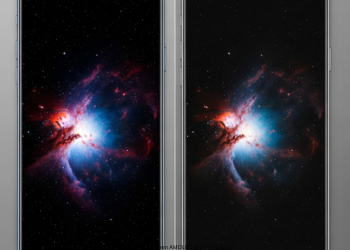
- AMOLED: Pixels go dark true. Infinite contrast hits. Stars in space or dark apps stun.
- IPS LCD: Backlight leaks. Best block leaves gray glow. Called “IPS glow.”
Winner: AMOLED wins big.
2. Color Accuracy and Pop
Less one-sided now.
- AMOLED: Colours punch hard. They excite. Old ones overdid it. New top ones match true. Modes like Natural help pros.
- IPS LCD: Colors stay real and right. Pros picked it for photos, edits, design.
Winner: Tie by taste. Both top out great. Pick AMOLED for zip. IPS for true tones.
3. Battery Usage
Key for phones, laptops.
- AMOLED: Shifts are used. Dark saves power; hence, pixels sleep. Real assistance is done by Dark Mode, while white scenes drain the battery more.
- IPS LCD: Utilization remains constant. Backlight operates continuously. Difference Between AMOLED and IPS Display.
Winner: AMOLED suits dark fans.
4. Speed and Motion (Gamers Note)
Pixel switch time.
- AMOLED: Pixels flip instant. Motion stays sharp. Low blur for quick games.
- IPS LCD: Crystals lag a bit. New ones speed up. Still more blur.
Winner: AMOLED sets speed bar.
5. Longevity and Burn Risk
The Achilles’ heel of AMOLED.
- AMOLED: Organic bits wear. Static spots, like bars, burn faint ghosts after long hours.
- IPS LCD: Crystals hold firm. No burn. Stays sharp years.
Winner: IPS LCD lasts sure.
6. Cost to Make
- AMOLED: It is more expensive to make above all in big sizes, such as TVs and monitors. The process gets tricky fast.
- IPS LCD: This technology is old and sturdy. Its construction processes are smooth and inexpensive. So, IPS pops up in low- and middle-class gadgets. Difference Between AMOLED and IPS Display.
Winner: IPS LCD. Strong work at low cost.
Part 3: Which Screen Fits You? A Quick Guide
Pick AMOLED if.
- You love movies or watch lots of stuff, and you really want deep blacks and sharp contrast to give you that theater feel.
- You game hard; you need quick response and no blur in motion.
- You use your phone a lot. Dark Mode saves your battery.
- You want bold colours. You will pay more to have the best picture quality.
Choose IPS LCD if
- You’re creating content for work, think photo or design work. You need colors that are true and you can trust. Top AMOLED gets close now,
- Your budget is tight, but you want fine colors and wide views.
- You fear burn-in and long wear. Like for a monitor displaying fixed bars all day.
- You read docs or sites with white backgrounds. The power perks of AMOLED matter less here. Difference Between AMOLED and IPS Display.
Conclusion: No One “Best” Screen. Just “Best for You”
It is not a good guy vs. bad guy fight, with AMOLED vs. IPS; each is perfect for a set of needs. AMOLED brings in wow blacks and bright pops. However, it does cost more and risks burn-in over time. IPS LCD stays steadfast: true colors, great work for the low price and risk. Difference Between AMOLED and IPS Display.
FAQs
Q1: Main difference between AMOLED and IPS, plain and simple?
The AMOLED pixels make their own light. Each acts like a small light bulb. IPS LCD uses one big backlight. Liquid crystals let light through or block it.
Q2: Which gives better colors?
Depends on what you like, though. AMOLED pops with bold, rich shades. Top IPS looks real and spot-on true. Both shine at peak levels. Difference Between AMOLED and IPS Display.
Q3: Why call AMOLED blacks “true” with top contrast?
For black, AMOLED pixels shut off full. No light means pure dark and endless contrast. IPS blacks stay dark gray. Backlight leaks a bit. Difference Between AMOLED and IPS Display.
Q4: What is burn-in, and which screen gets it?
Burn-in leaves ghostly marks from fixed images that are on for too long. Like a phone bar. AMOLED risks it. The stuff in pixels wears out. IPS skips this trouble. It lasts better.
Q5: Better phone battery on which screen?
AMOLED wins the most. Dark Mode helps big. Black pixels use zero power. IPS runs steady light all the time.
Q6: Quick pick? Tell me now.
Go AMOLED for: top blacks, bold colors, quick game speed, Dark Mode joy.
Go for IPS LCD: low price, no burn fear, true colors for pro jobs.
Q7: Why is AMOLED more costly?
AMOLED build is tough, with weak output rates. IPS process is old, smooth, and high yield. Big sizes jack up AMOLED price most. Difference Between AMOLED and IPS Display.
1 thought on “Difference Between AMOLED and IPS Display”